Veteran SkillBridge Aviation and UAS Training
This training supports transitioning service members pursuing aviation and unmanned aircraft systems careers through the DoD SkillBridge program. Instruction centers on aviation fundamentals, FAA Part 107 preparation, and applied UAS operations aligned with civilian industry standards. Emphasis is placed on regulatory compliance, operational discipline, and workforce readiness, enabling veterans to translate military experience into professional aviation and UAS roles before separation.
What Is the DoD SkillBridge Program
The Department of Defense SkillBridge program allows eligible service members to participate in approved civilian training, education, or industry programs during their final 180 days of active duty service. While remaining on active duty status and pay, participants gain job ready skills that support a structured transition into civilian employment. SkillBridge is designed to reduce transition risk by aligning military experience with validated workforce training and real world industry standards.
Participation requires command approval and coordination through installation education offices. All SkillBridge programs must meet DoD eligibility requirements and demonstrate clear workforce relevance. For service members pursuing aviation and unmanned aircraft systems career pathways, SkillBridge provides a defined window to complete certification focused training and applied operational learning prior to separation.
Why Aviation and UAS Are Strong SkillBridge Pathways
Aviation and UAS work well for SkillBridge because they are built around rules, standards, and accountability. You either meet the requirements or you do not. That structure makes the transition clearer and more predictable than many civilian career paths. If you are comfortable following procedures, managing risk, and being held to a standard, this space will feel familiar.
SkillBridge gives you time to train while you are still in uniform. Aviation and UAS training fit that window because certifications, operational fundamentals, and real skills can be built before separation. FAA knowledge, airspace awareness, mission planning, and safety decision making are not theoretical. They are used every day in civilian aviation jobs. The result is simple: you leave the service with credentials, usable skills, and a clearer next step instead of starting from zero.
Veteran SkillBridge Aviation Training Pathways
This program offers three focused pathways. Each one is designed to give you something tangible before separation. No general exposure. No résumé padding. The goal is to leave active duty with skills and credentials that already make sense in the civilian aviation or UAS world.
Training built to fit your transition.
UAS Training Path
This training path explains how unmanned aircraft systems (drones) are used in civilian aviation and how service members can train for that work during SkillBridge. You learn the basics of operating drones legally, safely, and professionally, along with how those skills apply to real jobs after separation. The training is structured to fit within the SkillBridge timeline and does not require prior drone experience.
FAA Remote Pilot Certificate Training
Part 107
Public Safety UAS + NFPA 2400
Official public safety credential
Skills-Based Evaluation
NIST UAS piloting concepts
Workforce Preparation
Flying in active work environments alongside crews and equipment
FAA Part 107 Training Through SkillBridge
FAA Part 107 is required for most paid drone work. This training prepares you to pass the exam and understand how civilian airspace actually works. You will cover airspace rules, operating limitations, weather, risk management, and decision making tied to real flight operations.
Completing this during SkillBridge matters because it removes a common roadblock. Many people separate first and never finish the certification. You leave the service already qualified to operate legally and professionally.
UAS Operations (NFPA 2400 and NIST Evaluation Aligned)
This pathway is for service members who want to operate drones in structured, high accountability environments. Training aligns with NFPA 2400 public safety standards and NIST UAS evaluation concepts used to assess pilot competency and system performance.
The focus is on how missions are planned, documented, and executed. This includes operating procedures, safety considerations, crew roles, and decision making. This pathway fits those looking toward public safety, infrastructure, emergency response, or regulated operations where standards actually matter.
Aviation and Workforce Readiness Skills
This pathway addresses the gap most people feel after separation. You may know how to operate, but civilian aviation work comes with different expectations. This training focuses on documentation, communication, compliance, and understanding how aviation teams function outside the military.
The goal is simple: help you translate military experience into civilian aviation roles without losing professionalism or discipline. You should understand what employers expect, how work is evaluated, and how to show up ready on day one.
Military to Civilian Aviation Transition Support
The hardest part of transition is not learning new skills. It is figuring out how those skills apply outside the military. This program is designed to close that gap. Training focuses on helping you understand how civilian aviation and UAS work, how roles are defined, and what standards employers actually expect.
Support is practical, not motivational. You learn how military experience translates into civilian aviation language, how certifications fit into hiring decisions, and what “qualified” really means in regulated environments. The goal is to remove guesswork before separation, so you are not trying to decode a new industry while also adjusting to civilian life.
This approach gives you structure during a period that often feels unstructured. You leave with a clearer understanding of where you fit, what you bring to the table, and what your next step should be—without relying on trial and error after you separate.
Trusted Marks in Aviation


SkillBridge Partnership and Program Alignment
This program is built to work inside the SkillBridge system without adding friction to your transition. The training, timeline, and expectations are clearly defined so you are not chasing approvals or explaining the program to your chain of command.
Recognized Training and Credentials
Structured to meet SkillBridge eligibility, approval, and participation requirements.
Workforce Relevant Training
Aviation and UAS skills tied to real civilian roles and expectations.
Built for the Final 180 Days
Training fits within approved transition timelines without disrupting unit obligations.
Clear Expectations Before You Start
You understand what the training includes, how it is structured, and what is expected before you begin.
Request More Information
Submit your details and receive additional information about this training path.
Who This SkillBridge Aviation Program Is For
This program is designed for service members who want to use their SkillBridge window deliberately. It fits those who prefer structured training, clear expectations, and skills that translate cleanly into civilian aviation or UAS environments. The focus is on preparation, not exploration, and on using the final months of service with purpose.
Service Members Preparing to Separate
This program is a fit for those inside their final 180 days who want a plan, not guesswork. Training is structured around the SkillBridge timeline and assumes you are balancing transition tasks, unit requirements, and personal responsibilities. It is built for people who want to leave active duty with training already completed, not postponed.
Veterans Interested in Aviation or UAS
This pathway supports service members interested in commercial drone operations, aviation support roles, or regulated UAS environments. You do not need prior flight experience, but you do need interest in operating within rules, standards, and documented processes.
Structured Aviation Training
This training follows defined standards, timelines, and requirements. You know what you are expected to complete and when. The focus is on learning how aviation and UAS operations work in civilian environments where compliance, documentation, and consistency matter.
How to Apply for Veteran SkillBridge Aviation Training
To apply, confirm SkillBridge eligibility with your command and education office, then request participation through BreakTurn as the Skillbridge provider. Once approved, training is scheduled to fit within your SkillBridge window and final 180 days on active duty.
Confirm Eligibility
Verify SkillBridge eligibility with your command and education office.
Align Dates
Coordinate training dates to fit your approved SkillBridge window.
Select BreakTurn
List BreakTurn as your SkillBridge training provider.
Begin Training
Start aviation and UAS training during your final 180 days on active duty.
WORKING TOGETHER
Need branch-specific help with SkillBridge applications?
Army SkillBridge
Getting Help Through Your Local Army TAP Office
Soldiers should begin by coordinating with their local Army Transition Assistance Program (TAP) office. TAP counselors can confirm SkillBridge eligibility, review timelines, and ensure required approvals are tracked correctly. Early coordination helps prevent delays and ensures the request aligns with unit and installation requirements.
Air Force SkillBridge
Information to support Air Force SkillBridge participation
The latest Department of the Air Force Instruction governing Air Force SkillBridge, also known as the Career Skills Program (CSP). Airmen can review current guidance on eligibility, timelines, and command approval, learn how to apply for Air Force SkillBridge through the CSP process, and access the Air Force vetting checklist used to ensure requests are complete and properly routed.
Updated Navy SkillBridge Guidance
The latest NAVADMIN guidance for Navy SkillBridge participation. Navy service members can review current SkillBridge policy, including eligibility, timelines, and command approval requirements, and access an updated Navy SkillBridge package list with links to required instructions and supporting documents.
Space Force SkillBridge
Helping Guardians understand the SkillBridge process
Space Force SkillBridge guidance for Guardians participating in the DoD SkillBridge program. Guardians can review eligibility requirements, timelines, and approval processes through their chain of command and local education or transition support offices, and access up-to-date SkillBridge instructions, application guidance, and supporting documentation.
Career Outcomes and Industry Opportunities
This training prepares you for UAS work that supports real operations across civilian industries. Drone use is rarely a standalone job. It is most often part of construction, infrastructure, public safety, utilities, or inspection work where accuracy, documentation, and safety matter.
In these roles, drone pilots work alongside project teams, site supervisors, inspectors, or operations staff. The work focuses on collecting visual data, documenting conditions, supporting inspections, or improving situational awareness. Flying is a tool, not the end goal.
Construction and Infrastructure Support
UAS is widely used on active job sites to document progress, inspect structures, and support planning. Drone pilots often work alongside superintendents, engineers, and safety teams to capture visual data that supports decisions on the ground.
Utilities and Asset Inspection
Energy, water, and utility providers use drones to inspect assets that are difficult, time-consuming, or unsafe to access manually. This work prioritizes accuracy, repeatable procedures, and documentation over flying skill alone.
Public Safety and Incident Support
UAS is used to support situational awareness for public safety operations such as search support, damage assessment, and planning. Drone pilots operate as part of a larger team, following established standards and procedures rather than operating independently.
Tactical UAS Team Coordination
UAS operations are planned and executed by a team, not a single operator. Emphasis is placed on communication, defined roles, mission planning, and coordination between the pilot, visual observer, and support personnel. The goal is to operate drones safely and effectively in complex environments where situational awareness and teamwork matter.
UAS Program Development and Unit Support Roles
Many organizations need support roles to run UAS programs effectively, not just pilots to fly drones. These roles focus on planning operations, maintaining documentation, coordinating approvals, managing equipment, and supporting pilots and teams. Service members with experience in operations, coordination, or unit management often fit well in these positions because the work emphasizes structure, accountability, and consistency rather than flight time alone.
UAS Data Collection and Documentation Support
Many UAS roles focus on collecting and organizing information rather than flying for its own sake. This work involves capturing images or video consistently, following collection procedures, and delivering usable documentation to engineers, inspectors, project managers, or operations teams. Attention to detail, repeatability, and adherence to standards matter more than advanced flight maneuvers. Service members with experience in reporting, inspections, or operational documentation often transition well into these roles.
Testimonials
What Service Members and Clients Say
Following the course, I passed my Part 107 exam my first time around with an 85%.
I now use my UAS certificate for work and continue to access my web profile to check on any undated and refresh my knowledge on FAA 107 regs and news.
Would highly recommend for anyone in El Paso to learn the in and out of drone flying and how to make it a new career opportunity.
-Outstanding course
-Outstanding instructor
-Best training ever had
-Supports military and veterans highly
-5 starts
-2 thumbs up
-will always help with any issue
6 months ago
Frequently Asked Questions
This section answers common questions about SkillBridge eligibility, application steps, training structure, and how aviation and UAS programs fit into the military to civilian transition. The information is intended to help service members understand requirements, timelines, and expectations before requesting participation through their service branch.
Who Is Eligible for From Above Droneworks SkillBridge?
This program is available to active duty service members who are within their authorized SkillBridge window, typically up to the final 180 days before separation. Eligibility depends on remaining active duty time, command approval, and coordination through the service member’s branch transition process. Participants must submit a SkillBridge request through their chain of command and transition office, listing From Above Droneworks or the approved partner (BreakTurn) as the training provider. No prior drone or aviation experience is required, but participation must align with branch specific SkillBridge rules and approved timelines.
Do I need prior drone or aviation experience to participate?
No. The training is designed for service members with no prior UAS experience. Aviation and UAS fundamentals are covered as part of the program.
Is this an approved DoD SkillBridge program?
Participation follows the DoD SkillBridge framework. Final approval depends on your service branch, command, and installation process.
When should I start the SkillBridge application process?
It is recommended to start coordination as early as your branch allows. Early engagement with your transition office helps avoid delays.
Can SkillBridge participation affect my unit or duty requirements?
SkillBridge participation requires command approval. Your unit determines how participation aligns with mission and separation timelines.
What types of civilian roles does this training support?
The training supports roles in construction, infrastructure, utilities, public safety support, inspection, documentation, and UAS program support.
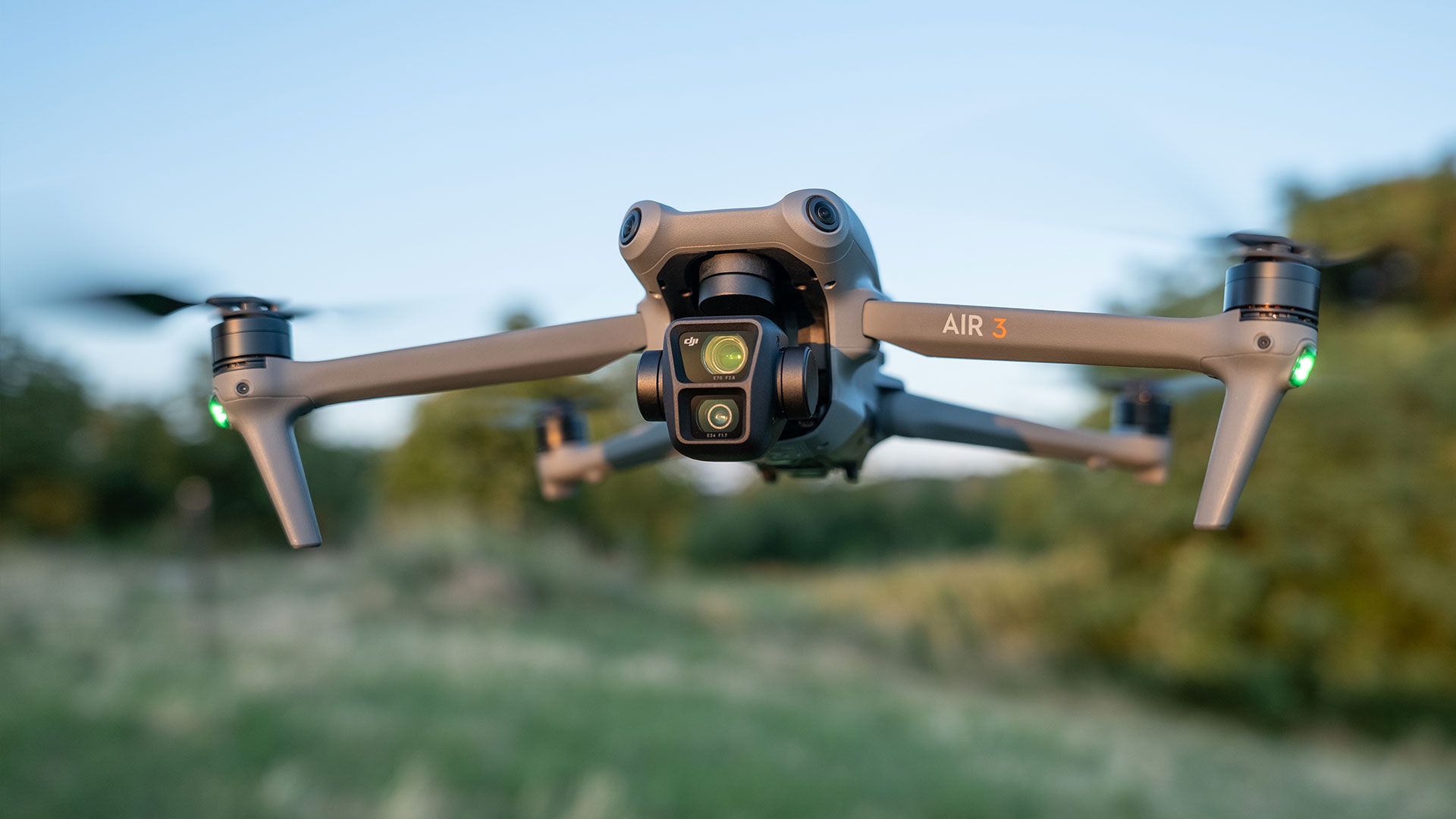
Precision in Motion
Modern UAS platforms built for control and clarity
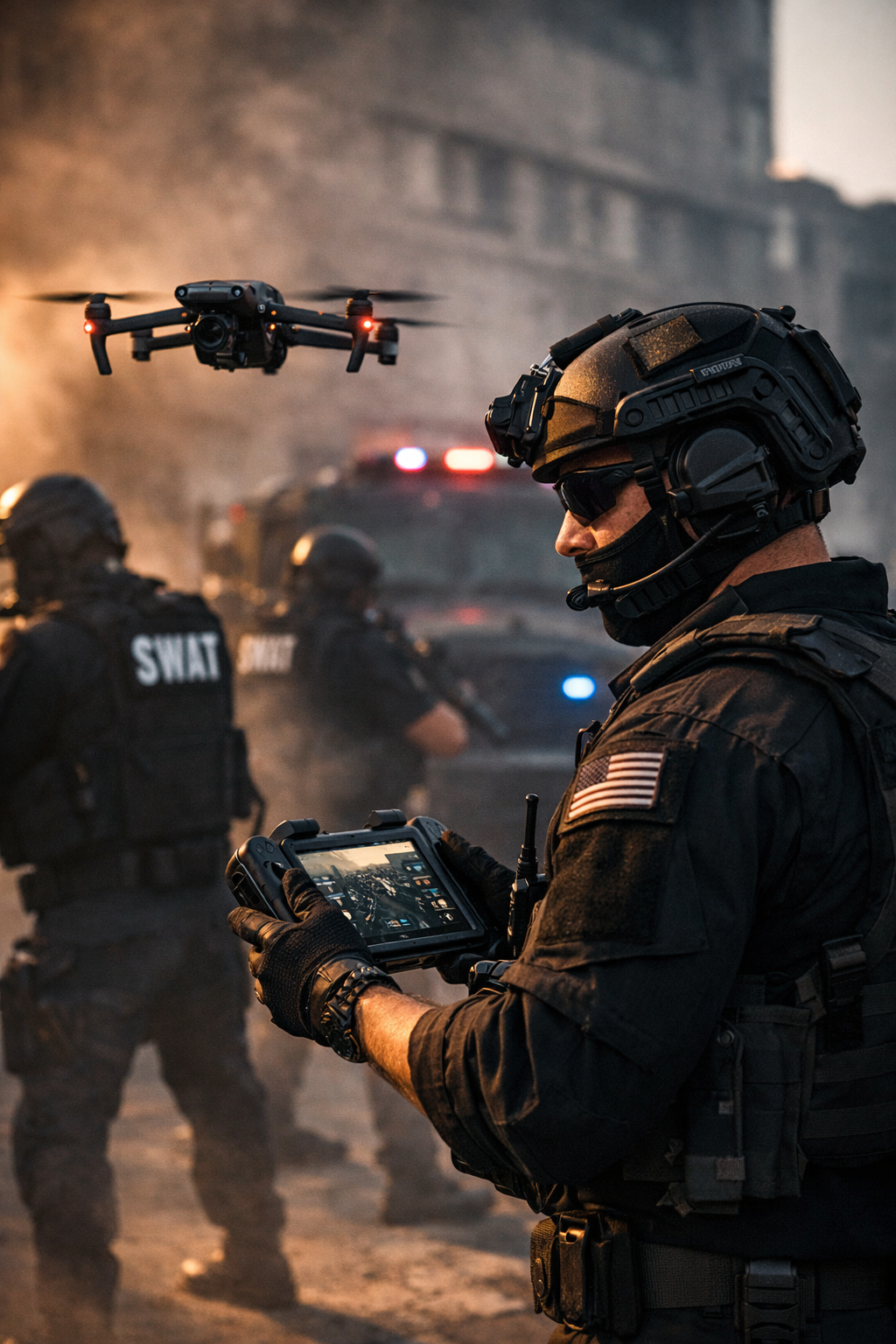
Controlled Execution
Team-based operations in complex environments

Built for Professionals
Platforms and tools designed for serious operations

Situational Awareness
Telemetry, mapping, and live data in the pilot’s hands
Contact us any time
Use this form to ask questions or request additional information about SkillBridge eligibility, training paths, or application steps.