FAA Drone Restrictions Near the El Paso Border
Why the FAA is tightening border airspace and what it means for El Paso.
What's Happening Along the Border?
According to an October 16, 2026, Reuters report, the FAA introduced new restrictions on unauthorized drone flights along the U.S.–Mexico border in response to concerns about drug cartel surveillance and smuggling operations. Federal officials report more than 1,000 drone incursions along the southern border each month, prompting additional security measures, including counter-drone technology.
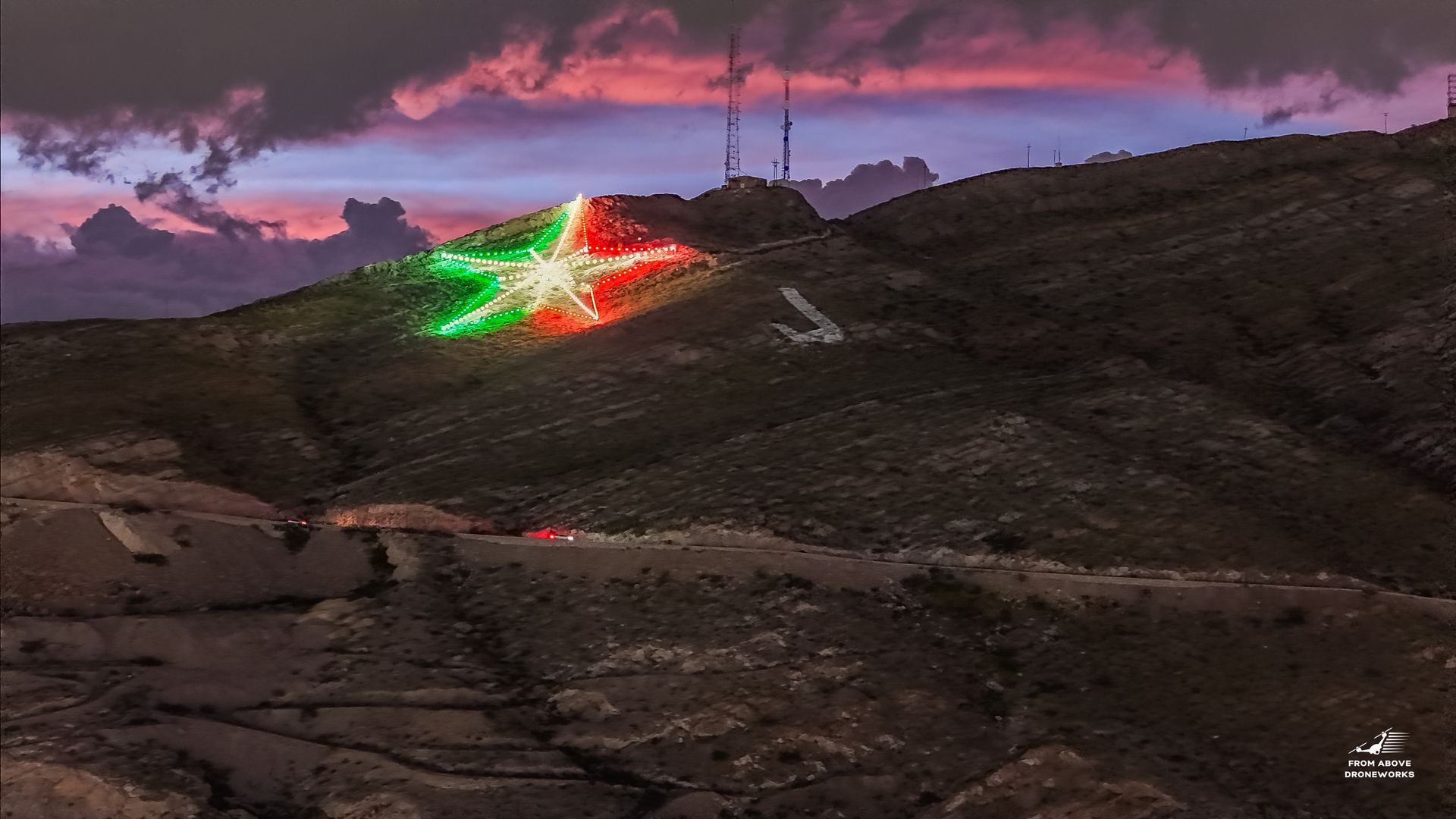
The restrictions extend one nautical mile (approximately 1.15 miles) north of the international border, from ground level to 400 feet above ground level. Here in El Paso, that raises questions about drone operations in familiar areas like Downtown, Segundo Barrio, Mount Cristo Rey, the Sun Bowl, and UTEP are all familiar places near our border, but their distance from the international boundary varies. Pilots still need to check the actual FAA restriction before assuming a location is clear to fly.
Check The Official FAA NOTAM
The Federal Aviation Administration (FAA) publishes official airspace notices called NOTAMs, or Notices to Airmen. These notices alert pilots to temporary restrictions, hazards, and other changes that may affect where and when they can fly.
For El Paso and surrounding areas, the Albuquerque Air Route Traffic Control Center (ZAB) notice is the starting point for reviewing the new border restrictions.
FAA NOTAM reference: ZAB 6/9978 (confirm the current notice before flying)
Official FAA resources:
- FAA Southern Border UAS Restriction Notice — View the restriction information and map.
- FAA NOTAM Search — Check the current boundaries, dates, altitude limits, and exceptions.
The restriction generally extends one nautical mile (approximately 1.15 miles) north of the U.S.–Mexico border, from the ground to 400 feet above ground level.
Does Part 107 or LAANC Authorization Still Apply?
Yes, but neither gives a pilot automatic permission to fly inside the new border restriction.
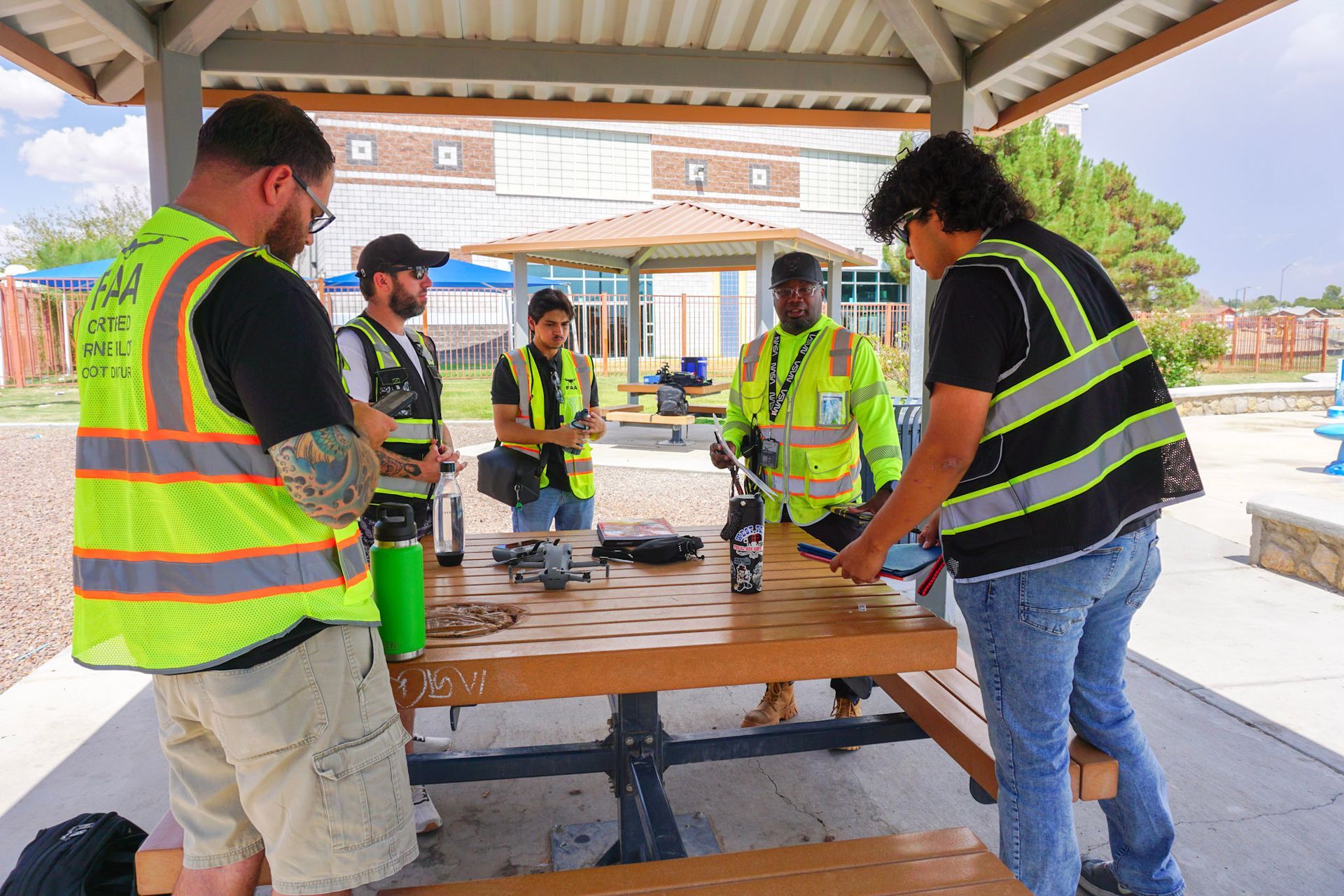
Part 107 is the Federal Aviation Administration (FAA) regulation that governs most commercial drone flights, including aerial photography, construction monitoring, and property inspections. A pilot who holds a Part 107 Remote Pilot Certificate has met the FAA's requirements to operate commercially, but still has to follow local airspace restrictions.
LAANC stands for Low Altitude Authorization and Notification Capability. It's the FAA system pilots use to request permission to fly in certain controlled airspace, including areas around El Paso International Airport. Some requests are approved almost immediately, while others require additional review.
At From Above Droneworks, we have obtained FAA authorizations for flights in zero-grid areas around El Paso. These are locations where automatic LAANC approval isn't available, so we have to work through a separate FAA approval process before flying.
The new border restriction adds another requirement. Even with a Part 107 certificate and an approved LAANC request, pilots still need the specific authorization required by the border NOTAM before entering that airspace.The new border restriction is different because it involves separate security-related requirements and coordination with U.S. Customs and Border Protection.
A pilot could have a valid Part 107 certificate and an approved FAA airspace authorization but still lack permission to enter the border-restricted area. The approvals serve different purposes. Having one does not replace the others.
Can Drone Pilots Request Authorization Near the Border?
Yes. Drone pilots can request authorization from U.S. Customs and Border Protection (CBP) to operate within the restricted border area. Each request is reviewed individually, and approval is not guaranteed.
Pilots must receive authorization before entering the restricted airspace, even if they already hold an FAA Part 107 certificate or have approval to fly in controlled airspace.
How to Request CBP Authorization
The FAA's published Southern Border UAS Restriction Notice provides the following contact information for authorization requests:
CBP authorization email: SWBDRONEZONEWAIVERS@CBP.DHS.GOV
Requests must be submitted at least 48 hours before the proposed flight, according to the published guidance.
Pilots should be prepared to provide their contact information, FAA credentials, proposed flight date and location, and aircraft identification details, including Remote ID information.
The 48-hour requirement is advance notice, not a guarantee that CBP will approve a request within that time. Authorization must be received before conducting any flight that requires it.
For commercial projects, this is another reason to review the airspace before committing to a flight date. Some operations may not qualify for approval under the current restriction.
Official reference: FAA Southern Border UAS Restriction Notice